


Body Worn Camera Privacy Modes - Blur Faces, Protect Bystanders
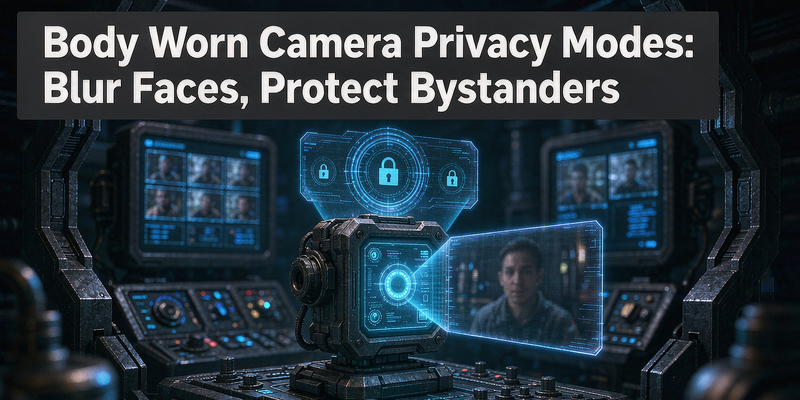
Cameras in public spaces record everyone, including people who never asked to be filmed. Privacy modes on modern body worn cameras address that concern directly, blurring bystander faces and protecting personal data while keeping the evidence intact where it counts.
Why Privacy Modes Matter
Public trust decides whether camera programs survive. When bystanders know that faces can be blurred automatically and footage is not casually shared, acceptance rises and complaints fall. Privacy protection is no longer optional; in many jurisdictions it is a legal requirement.
How Face Blurring Works
Automatic detection identifies faces and license plates in recorded video and applies reversible or permanent blur. Reviewers with proper clearance can unblur designated subjects for investigations, while released copies keep bystanders anonymous. Audio redaction similarly removes unrelated conversations from shared clips.
Balancing Evidence and Anonymity
The principle is simple: protect the many, preserve the relevant. Officers and involved parties remain clearly identifiable in evidence, while incidental passers-by are shielded. Structured access controls decide who may view original footage and who sees only the redacted version.
Building Privacy into Policy
Technology needs rules. Define when recording is permitted, how blurring is applied before release, how long footage is retained, and how subjects can request access to their own recordings. Publish the policy, train the team, and audit compliance regularly.
A body worn camera program that respects bystanders earns the public standing it needs to operate. Privacy modes blur faces, protect the innocent, and keep genuine evidence exactly as strong as it needs to be.


