


On‑Site Body‑Worn Recorder Usage Guide Practical Skills for Emergency‑Incident Recording and Real‑Time Video Streaming
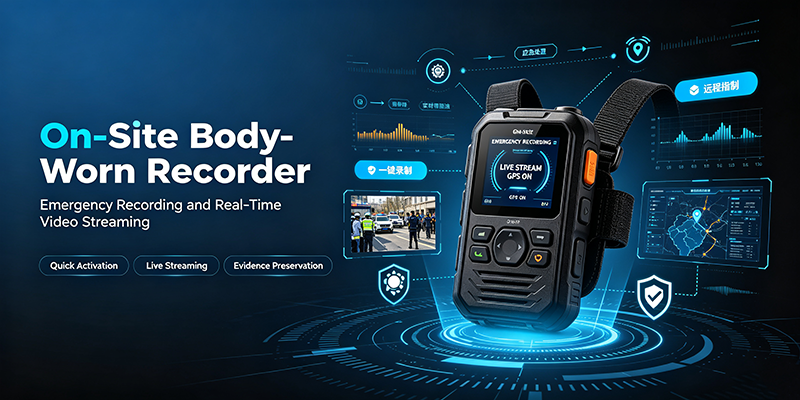
Emergencies are unpredictable, and onsite conditions change rapidly. As critical gear for frontline personnel, whether an onsite bodyworn recorder can perform as expected largely depends on correct operation. This article shares practical usage skills and field experience for emergency scenarios to help you maximize device performance.
1. PreMission Preparation: Keep Device ReadyforUse
Emergencies strike unexpectedly, so the recorder must stay in operational status. Inspect battery level before every shift to guarantee sufficient power; verify remaining storage space for recording; confirm system time accuracy to ensure valid video timestamps. Form a dailycheck habit: integrate charging and storage cleanup into daily workflows. For 4G realtimestreaming models, doublecheck network connectivity and SIMcard status.
2. Incident Onset: Quick Activation for Standardized Recording
Time is limited during emergencies, so fast startup is vital. Configure onetouch recording in advance to trigger video capture with a single button, without navigating multilevel menus. Stabilize the device during recording to avoid blurry footage caused by heavy shaking. Hold the camera roughly at eyelevel; aim to capture fullscene context plus key individuals. For streamingcapable devices, activate realtime backhaul immediately so command centers obtain live situational awareness.
3. Recording Essentials: Comprehensive, Objective and Focused
When documenting emergencies, maintain comprehensiveness, objectivity and clear focus. First capture the overall environment and background to give viewers fullscene context. Then prioritize actions, conversations of key participants as well as critical physical evidence and traces. Keep audio recording clear for witness statements; maintain a safe working distance. Attach voice memos directly into video files to mark time, location and subject information for later sorting.
4. Safety Precautions: Personal Safety Comes First
While operating the onsite bodyworn recorder, always put personal safety first. Maintain safe separation from incident hotzones and avoid getting involved in conflicts. Stay alert to surroundings and prevent device seizure or interference. If conditions deteriorate, prioritize personal evacuation and continue recording from secure positions. Antitheft alarm triggers automatic alerts and locks stored data if the unit is snatched, protecting recorded evidence.
Summary
The value of an onsite bodyworn recorder depends on proper human operation. Four core principles — thorough prechecks, fast recording trigger, comprehensive objective capture and personalsafety awareness — help you leverage its full potential amid emergencies. Standardized operation delivers solid video evidence for incident handling and safeguards legitimate rights for frontline staff.


