


How to use a 4G Body worn camera?
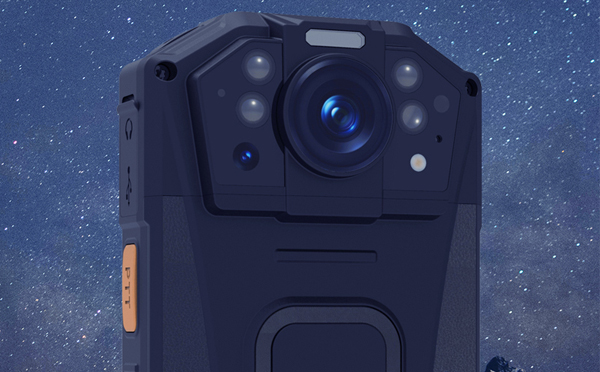
Law enforcement instruments, also known as Body worn cameras, audiovisual recorders, on-site Body worn cameras, or police Body worn cameras.
Traditional Body worn cameras integrate camera, photography, and recording functions, which can digitally record the on-site situation of the law enforcement process to restore the scene.
Due to the complex on-site law enforcement environment, high usage intensity, and strict requirements for the equipment itself.
At present, the 4G Body worn camera DSJ-D6 launched by Shield Soul supports IP68 dust and water resistance level, and adopts a high-strength protective shell, which can withstand a drop of 2 meters and is suitable for various harsh working environments.
In addition, the Duniot 4G Body worn camera is also equipped with a backend management platform. In addition to basic camera, photography, and recording functions, the 4G Body worn camera can also achieve various functions such as real-time video, BeiDou/GPS positioning, cluster intercom, facial recognition, electronic fence, cloud storage, SOS linkage alarm, etc., making it convenient for remote visual command and scheduling.
At present, it has been widely used in on-site law enforcement scenarios such as transportation, urban management, etc.
1. High definition video recording: The 4G Body worn camera can record the law enforcement process in high-definition picture quality and save it in the built-in memory.
This can not only provide evidence materials, but also help law enforcement officers review case details and improve the accuracy of work and case investigation.
2. Real time positioning: This recorder is equipped with a GPS positioning system, which can track and record the location of law enforcement personnel in real time.
This is very helpful for the command center to understand the whereabouts, scheduling, and resource allocation of law enforcement personnel, and can improve service efficiency and coordination ability.
3. Voice intercom function: Integrated voice intercom function, supporting intercom between terminals and between terminals and the command center. In case of emergencies, the command center can directly issue instructions to frontline personnel, greatly improving the efficiency of flat command.
4. Remote monitoring: The 4G Body worn camera supports remote monitoring function, and the law enforcement command center can observe the actions of law enforcement personnel in real time through the Internet, and timely grasp the progress of the case.
This not only provides remote guidance and support in emergency situations, but also enhances the accuracy and effectiveness of command and decision-making.
5. Multimedia transmission: The 4G Body worn camera can achieve multimedia transmission through the 4G network, and law enforcement personnel can timely transmit important information such as law enforcement videos and photos to relevant departments for subsequent investigation and processing.
This greatly accelerates the speed and efficiency of information transmission, providing better technical support for case resolution.
6. Facial recognition technology: Combined with facial recognition technology, Body worn cameras can achieve automatic recognition and comparison of suspects, improving the accuracy and efficiency of law enforcement.
7. Cloud storage and sharing: Combined with cloud computing technology, 4G Body worn cameras can achieve cloud storage and sharing of data, facilitating information exchange and resource sharing between different law enforcement units, improving work efficiency and communication effectiveness.
Although the 4G Body worn camera is very convenient to use, some details still need to be noted to ensure its normal operation and effective use.
1. Cleaning and maintenance: Regularly clean the lens, screen, and other components of the Body worn camera to maintain its good working condition.
Meanwhile, in order to extend the service life of the equipment, attention should be paid to avoiding strong impacts and water immersion.
2. Electricity management: Reasonably arrange usage time to ensure that the Body worn camera has sufficient electricity.
When the battery is low, charge or replace the battery in a timely manner to avoid affecting normal use.
3. Storage space management: Regularly clean and organize the storage space of Body worn cameras, delete unnecessary files and data, to free up storage space and improve device performance.
4. Data transmission security: When using 4G networks to transmit data, pay close attention to network security issues to ensure that the data transmission process is protected.
Use a secure network connection and set reasonable permissions and passwords to prevent data leakage and illegal use.
Summary: As a convenient and efficient tool, 4G Body worn cameras will bring revolutionary changes to law enforcement agencies.
By using it reasonably and maintaining it well, its functions and advantages can be fully utilized, and the efficiency and quality of law enforcement work can be improved.
With the advancement of technology, 4G Body worn cameras will continue to evolve and innovate, providing more possibilities and convenience for law enforcement work.


