


What is the difference between public network walkie talkies and private network walkie talkies
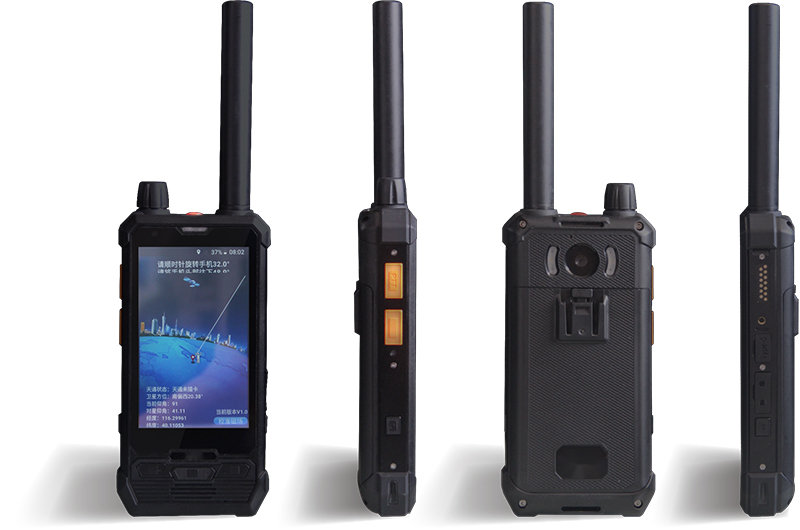
With the rapid development and progress of information technology, wireless walkie talkies and backend command and communication systems have become one of the most important communication methods in modern society.
At first, analog walkie talkies were introduced, but with the development of technology, digital walkie talkies (DMR) have been introduced in recent years. In recent years, various manufacturers have also introduced public network walkie talkies based on the communication needs of users.
So, what is the difference between them?
Let's get to know today.
Analog walkie talkies and digital walkie talkies are both traditional types of walkie talkies, also known as private network walkie talkies.
They use the UHF/VHF frequency band for intercom.
And public network walkie talkies, also known as POCs, are voice communication based on mobile cellular packet domain bearer, implemented using voip technology.
Simply put, it utilizes wireless networks (4G/5G) for digital communication.
The public network intercom consists of three main elements: hardware, IP network operation platform, and traffic card provided by the operator.
Next, we will introduce the main differences between public network walkie talkies and private network walkie talkies.
1. Coverage and distance
It refers to the size of the area that a device or service can cover and the farthest distance that can transmit or receive signals.
Private networks mainly provide services with small capacity but wide coverage, suitable for specific locations;
The public network provides high capacity and wide coverage, relying on the established network of the operator, so there is no limit to communication distance. The mobile signal can cover a large area, allowing calls to proceed freely.
2. Cost
Due to communication network limitations, the cost of constructing a dedicated intercom is relatively high.
Private network walkie talkies are limited by multiple factors such as transmission power, antenna installation height, and sensitivity. Therefore, to achieve ultra long distance communication, expensive relay stations and related line engineering are usually required, and the construction process requires a large amount of manpower and material resources.
After the installation of the relay equipment is completed, maintenance personnel are also required to carry out maintenance work.
In contrast, public walkie talkies rely on public mobile networks and do not require a base station, making them very convenient.
3. Communication function
Public network intercom has various multimedia communication functions, which can perform various services such as voice, video, and data transmission.
In addition to cluster intercom, it also supports multiple call methods such as single call, group call, full call, emergency call, and has value-added functions for transmitting data such as SMS and GPS.
The working mode of private network intercom is for users to transmit signals themselves and receive them from another device. They need to establish their own signal channel, and sometimes they can also support one-on-one single call function.
4. Application Scenario
The existence of public internet intercom aims to provide services to the public, mainly pursuing economic benefits.
It is suitable for industries with a wide communication range, such as logistics and transportation, hotel management, urban security, railways, and shopping malls.
Private internet intercom focuses more on providing emergency communication and scheduling services, mainly targeting specific departments, groups, and related industry users.
It highlights social benefits even more.
Using public network intelligent terminal devices, staff can query and process relevant information, such as videos and alerts, and report work content anytime and anywhere.
They can also transmit real-time audio and video of the scene, and quickly call the command center through GIS information.
In this way, cluster intercom and bidirectional audio and video communication can be achieved, and the entire process will be recorded for easy management and traceability.
With the help of the system, the command center can constantly understand the location and task execution status of law enforcement personnel, and continuously improve the modern management level of comprehensive law enforcement.


