


Body Worn Camera in Emergency Medical Services - Care on Record
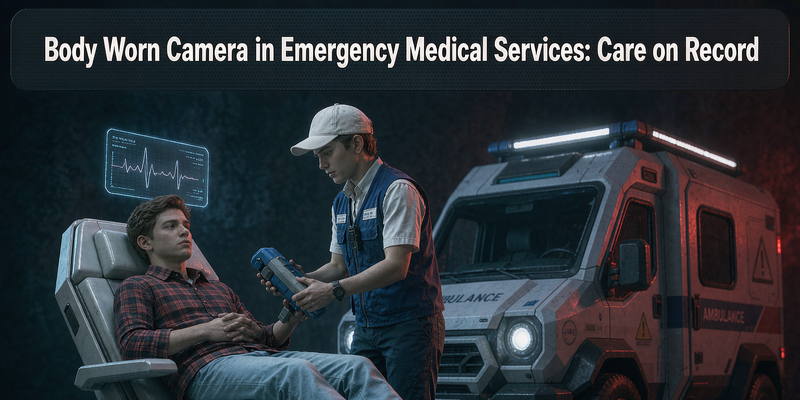
Emergency medical crews make critical decisions in chaotic places, and those decisions are reviewed long after the sirens fade. A body worn camera in emergency medical services records the care given, the conditions found, and the communications made, from the crew's own point of view.
Documenting Patient Care Under Pressure
Footage shows the scene as the crew found it: patient condition, bystander actions, hazards, and the care delivered in sequence. For quality review and clinical audits, that first-person record is more complete than any written report, revealing both what was done and what was happening around it.
Protecting Crews from Assault and Abuse
Paramedics face verbal abuse and physical aggression at scenes more often than the public realizes. A visible camera defuses many confrontations, and when assault occurs, the recording supports prosecution and staff support procedures without relying on memory alone.
Better Training from Real Calls
Reviewed recordings become the most honest training material in EMS. New crews see real scene management, communication under stress, and clinical decisions in context. Debriefs after difficult calls use footage to replace assumptions with facts.
Privacy Handled with Discipline
Patient dignity demands strict rules: access limited to authorized reviewers, blurring applied before any footage leaves the service, and retention aligned with medical privacy law. Well-governed programs protect patients as firmly as they protect crews.
Emergency care deserves a record as honest as the work itself. A body worn camera documents every scene with clarity and respect, supporting crews, improving care, and safeguarding the patients they serve.


