


Body Worn Camera Training - Record Right from Day One
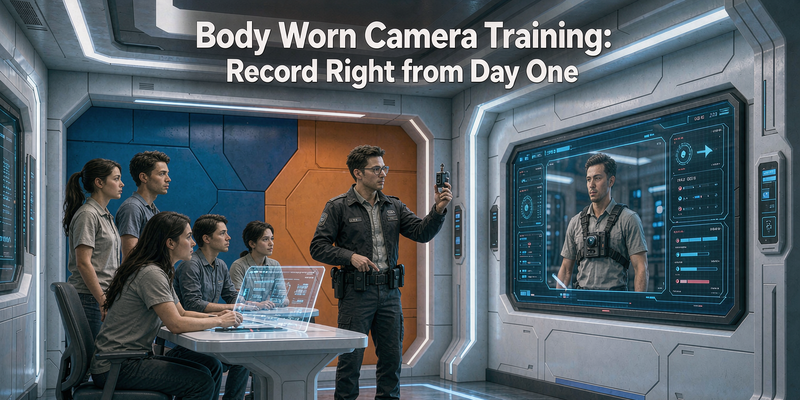
Even the best body worn camera fails if the person wearing it uses it incorrectly. Missed activations, poor camera placement, and confused policies undermine entire programs. Body worn camera training ensures every team member records right from day one, turning hardware into a dependable system.
Why Training Decides Program Success
Most body camera problems are human problems. A camera left in standby during a critical encounter, footage recorded at chest height pointing at the ground, or clips shared with unauthorized people all trace back to gaps in training. Organizations that invest a few hours in structured onboarding avoid months of corrected mistakes later.
Core Skills Every Wearer Needs
Effective training covers four basics. First, activation rules: exactly when recording must start and stop. Second, camera placement: positioning the device for a stable, useful point of view. Third, footage handling: tagging important moments, docking the device, and understanding who may view what. Fourth, communication: informing the public that recording is happening, confidently and courteously.
Practice with Realistic Scenarios
Lectures are not enough. The best programs use role-play: simulated disputes, night encounters, and noisy environments where trainees practice activation and positioning under pressure. Reviewing their own practice footage teaches placement lessons faster than any manual. Refresher sessions every few months keep skills sharp as policies evolve.
Reinforce with Feedback Loops
Training should not end after onboarding. Supervisors who periodically review sample footage and coach individuals turn body camera use into continuous improvement. Sharing well-recorded examples internally also builds pride and consistency across the team.
Recording right from day one is a trainable skill, not luck. A structured body worn camera training program covering activation, placement, footage handling, and public communication pays for itself in complete, usable evidence. Equip your team with knowledge first, and the cameras will do the rest.


