


GPS Enabled Police Bodycams- Track Every Incident
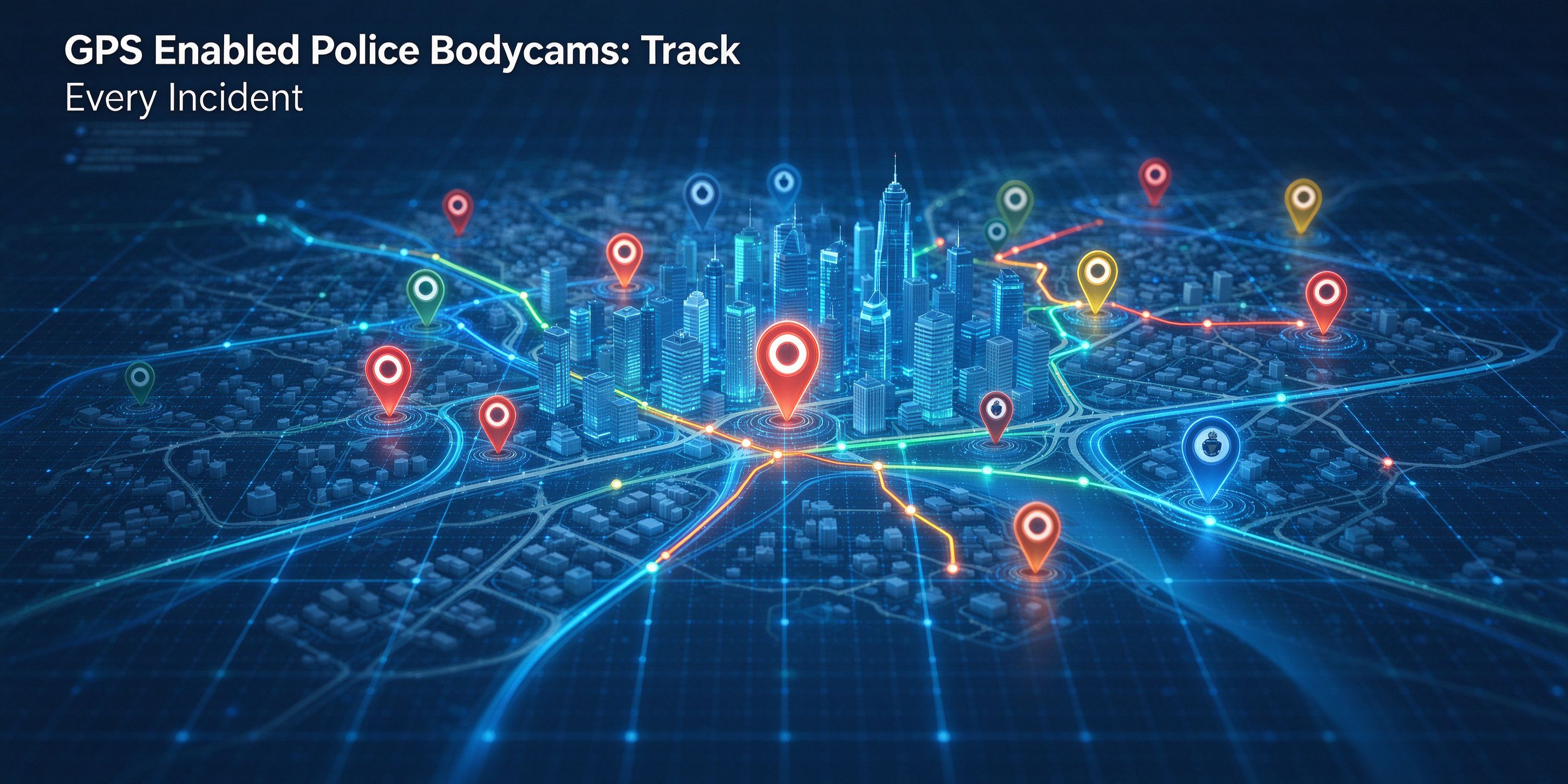
GPS enabled police bodycams pair video evidence with exact location data, giving agencies a complete geographic record of every interaction. When footage and coordinates are captured together, investigations become faster, more transparent, and far more defensible.
Why Location Matters With Bodycams
Video alone rarely tells the full story. GPS enabled police bodycams stamp each clip with where and when it was recorded, letting supervisors verify patrol routes, compare incidents to maps, and reconstruct events accurately across large jurisdictions.
How GPS Tagging Improves Investigations
Tagged footage can be filtered by area and time, making it easy to pull all video from a specific location during an incident. This accelerates witness location, evidence correlation, and internal reviews, while showing the public that patrols are documented and accountable.
Choosing GPS Enabled Police Bodycams
Look for reliable satellite reception, offline caching, and automatic sync once back in coverage. Integration with existing evidence management systems ensures location-tagged clips are stored securely and retrievable when needed for court.
Conclusion
GPS enabled police bodycams add a spatial layer to every recording, turning isolated clips into a mapped, searchable record. Agencies that combine video with precise location gain faster investigations and stronger public trust.


