


Rugged Tablet- Built for Tough Work Environments
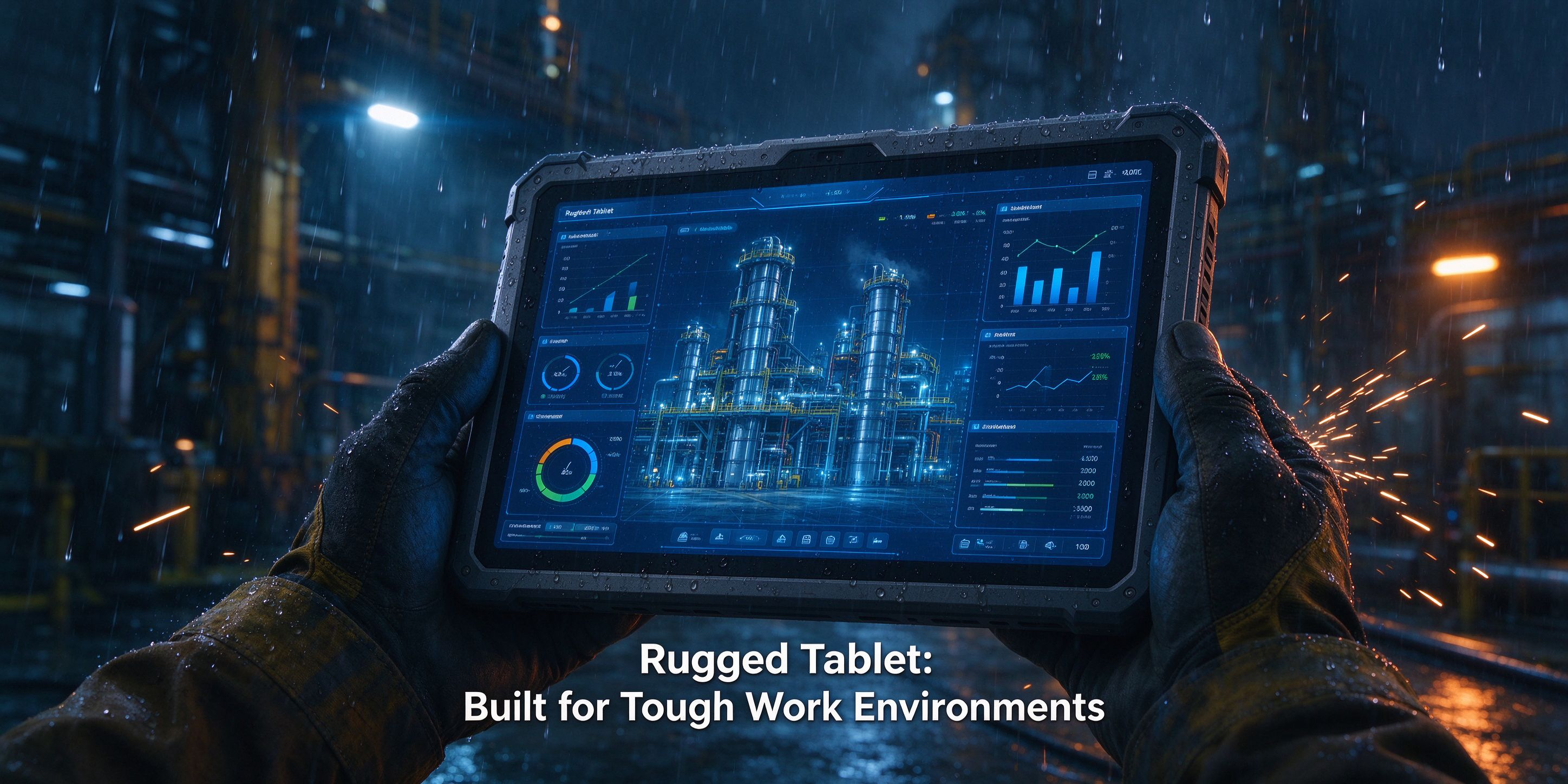
A rugged tablet is engineered to survive the dust, drops, and weather that would quickly end the life of an ordinary consumer slate. Purpose-built for field service, logistics, manufacturing, and public safety, a rugged tablet combines drop resistance, sealed ports, glove-friendly screens, and long battery life into one mobile computer. Where mainstream tablets fail, the rugged tablet keeps working.
What Makes a Tablet Truly Rugged
A genuine rugged tablet meets industry drop and ingress ratings, often surviving repeated falls onto concrete and full exposure to rain and dust. Wide temperature ranges, waterproof connectors, and toughened glass screens allow it to operate on tarmacs, in cold storage, or on construction sites. Rubber bumpers and reinforced frames absorb impact, while hot-swappable batteries keep the device running across full shifts.
Where a Rugged Tablet Shines
In the field, technicians use a rugged tablet to log inspections, pull up schematics, and capture photos on the spot. Warehouse staff scan barcodes with built-in scanners, while surveyors run GIS mapping software in direct sunlight. LTE connectivity and GPS ensure teams stay connected even when they leave the office, eliminating paperwork and rework.
Choosing the Right Rugged Tablet
Buyers should match ratings to the real environment: IP65 for dust and rain, MIL-STD-810 for drops and vibration, and sunlight-readable displays for outdoor use. Battery size, glove touch support, and barcode or RFID options should align with daily workflows rather than generic specs. The right rugged tablet reduces downtime and total cost of ownership over years of field use.
Conclusion
The rugged tablet has become the workhorse of industries that cannot afford downtime. By choosing a device with proven drop ratings, sunlight-readable display, and all-day battery life, organizations give frontline teams a reliable tool that performs in conditions ordinary tablets cannot. Invest in a rugged tablet and stop worrying when work moves outdoors.


