


Camera Board- Compact Vision for Embedded Devices
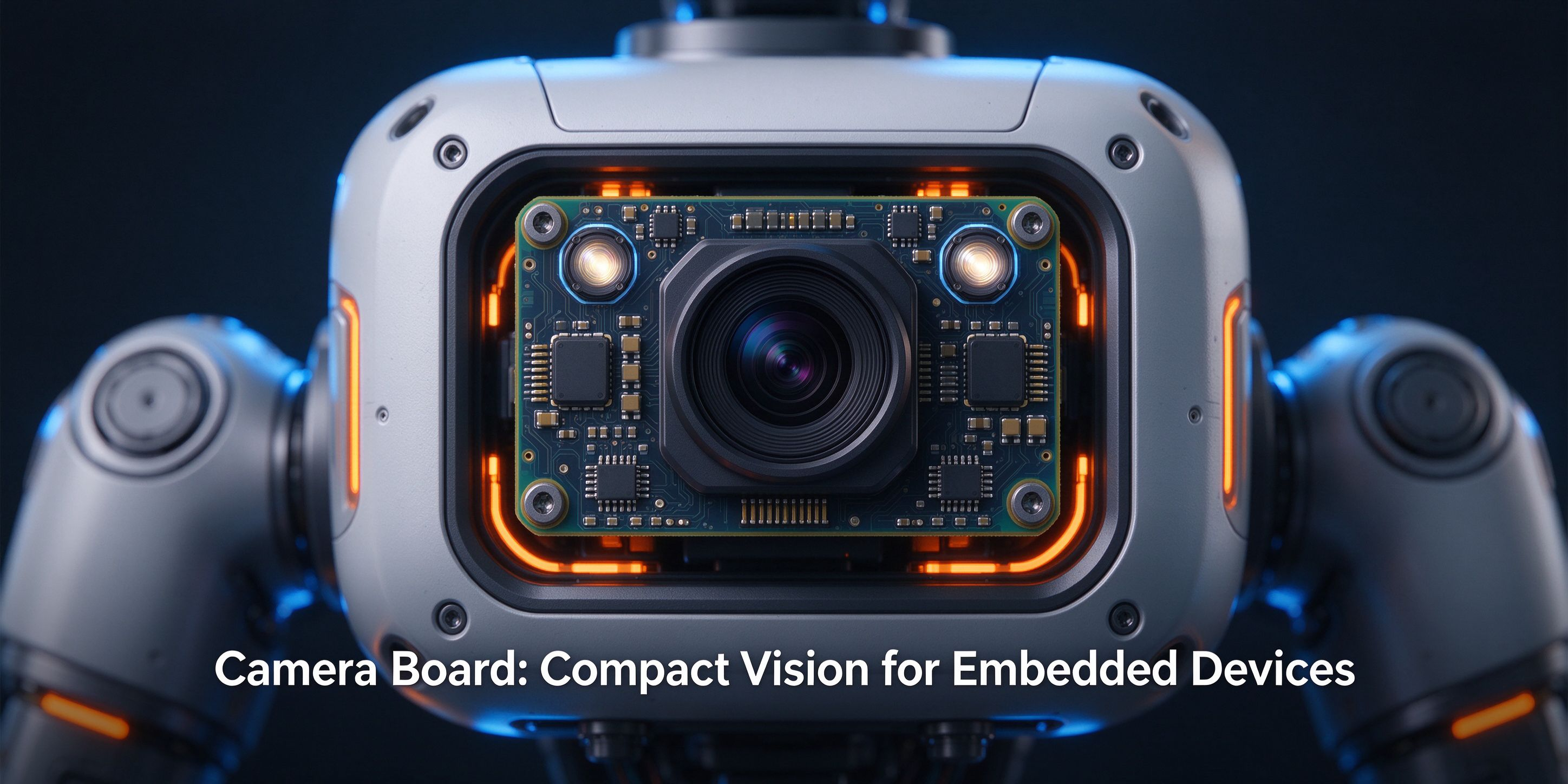
A camera board is a bare circuit board that integrates an image sensor, lens, and supporting electronics, designed to embed inside products such as robots, medical devices, and smart terminals. Because a camera board avoids a full enclosure, it fits tight spaces while delivering flexible imaging options.
What a Camera Board Includes
A camera board hosts the sensor, lens holder, voltage regulators, and interface connector, often on a compact PCB. It may include auto-focus actuators, IR-cut filters, and ESD protection. Boards are offered with MIPI, USB, or GMSL interfaces to match the host platform.
Integration into Custom Products
Designers mount the camera board behind a window in their enclosure, routing the flex cable to the processor. Mechanical tolerances, lens tilt, and window material affect image quality. Multiple boards can be combined for stereo vision or 360-degree capture in drones and robots.
Quality and Testing
Because a camera board is part of the product, factories calibrate white balance, color, and focus per unit. Burn-in tests and vibration validation ensure consistent performance. Documentation on sensor drivers and mechanical drawings simplifies integration and long-term support.
Conclusion
A camera board gives product teams compact, flexible vision that they can design around. With the right sensor, interface, and testing, it turns any embedded device into a capable imaging platform.


