


Body Worn Camera- Trust in Every Encounter
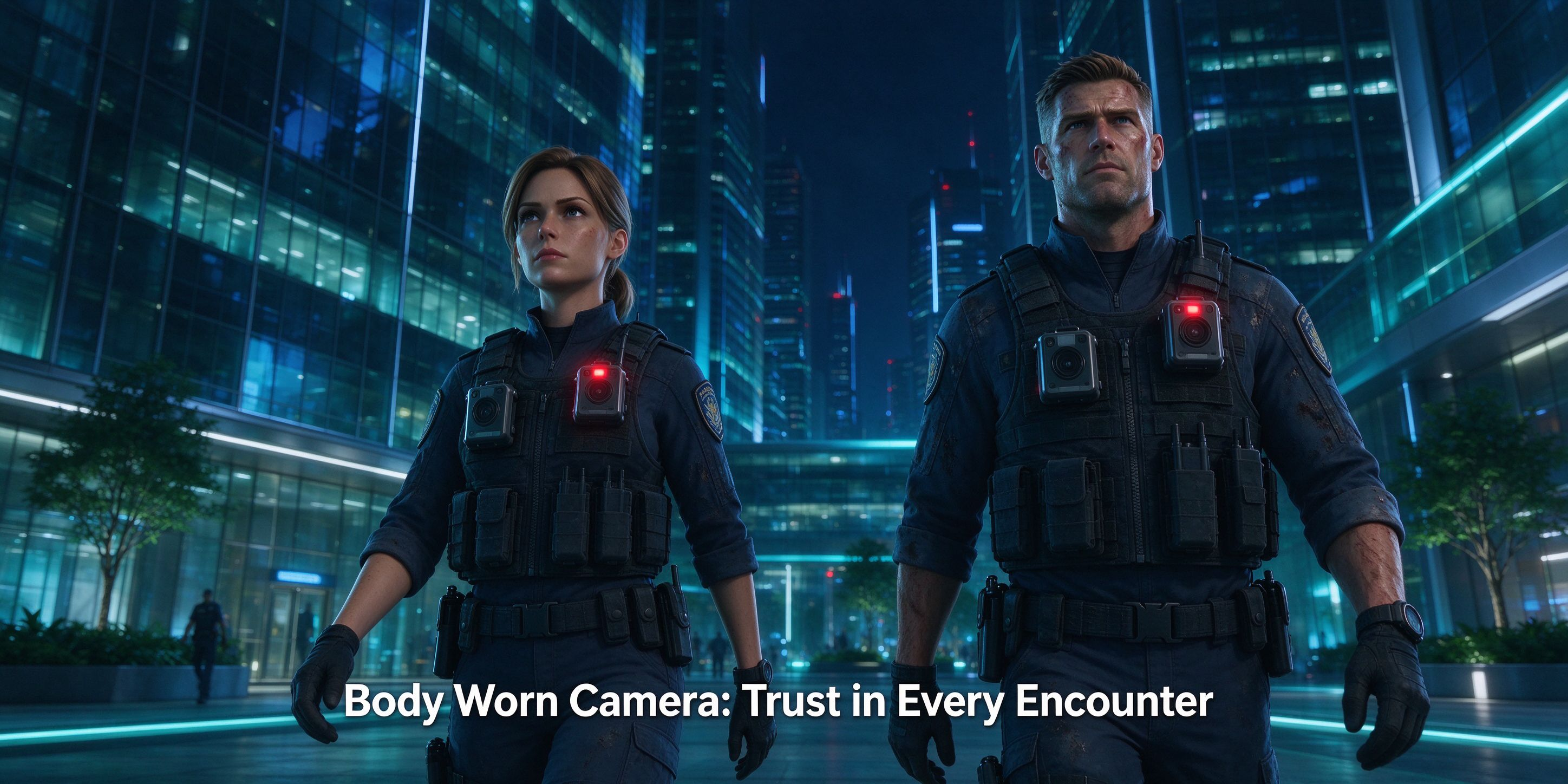
A body worn camera has reshaped how frontline work is documented. Designed to clip onto a uniform or vest, this wearable device records continuous audio and video evidence during every shift. In an era that demands transparency, the body worn camera turns every encounter into a fair, objective record that strengthens trust between professionals and the public.
Why Wearable Recording Builds Trust
The value of a body worn camera lies in its neutrality. It captures exactly what happened, independent of conflicting accounts, which resolves disputes faster and lowers complaint rates. Knowing footage is being recorded encourages more professional behavior from all parties involved.
Design Built for Real Shifts
Today's body worn cameras are lightweight and rugged, with one-button recording, long-lasting batteries, and wide-angle lenses. Many offer infrared night vision, waterproofing, and encrypted storage, so they perform reliably through cold nights, rainy days, and long patrols.
Operational Advantages
From patrol teams to private security, the body worn camera streamlines evidence collection. Footage can be tagged by GPS, backed up automatically, and reviewed by supervisors, creating a consistent chain of custody that holds up in formal proceedings.
Conclusion
Choosing the right body worn camera is an investment in accountability. With dependable battery life, clear low-light imaging, and secure data handling, organizations protect their staff and demonstrate that every encounter is documented fairly. The body worn camera turns transparency into a daily standard.


