


Body Camera Systems- Evidence You Can Trust
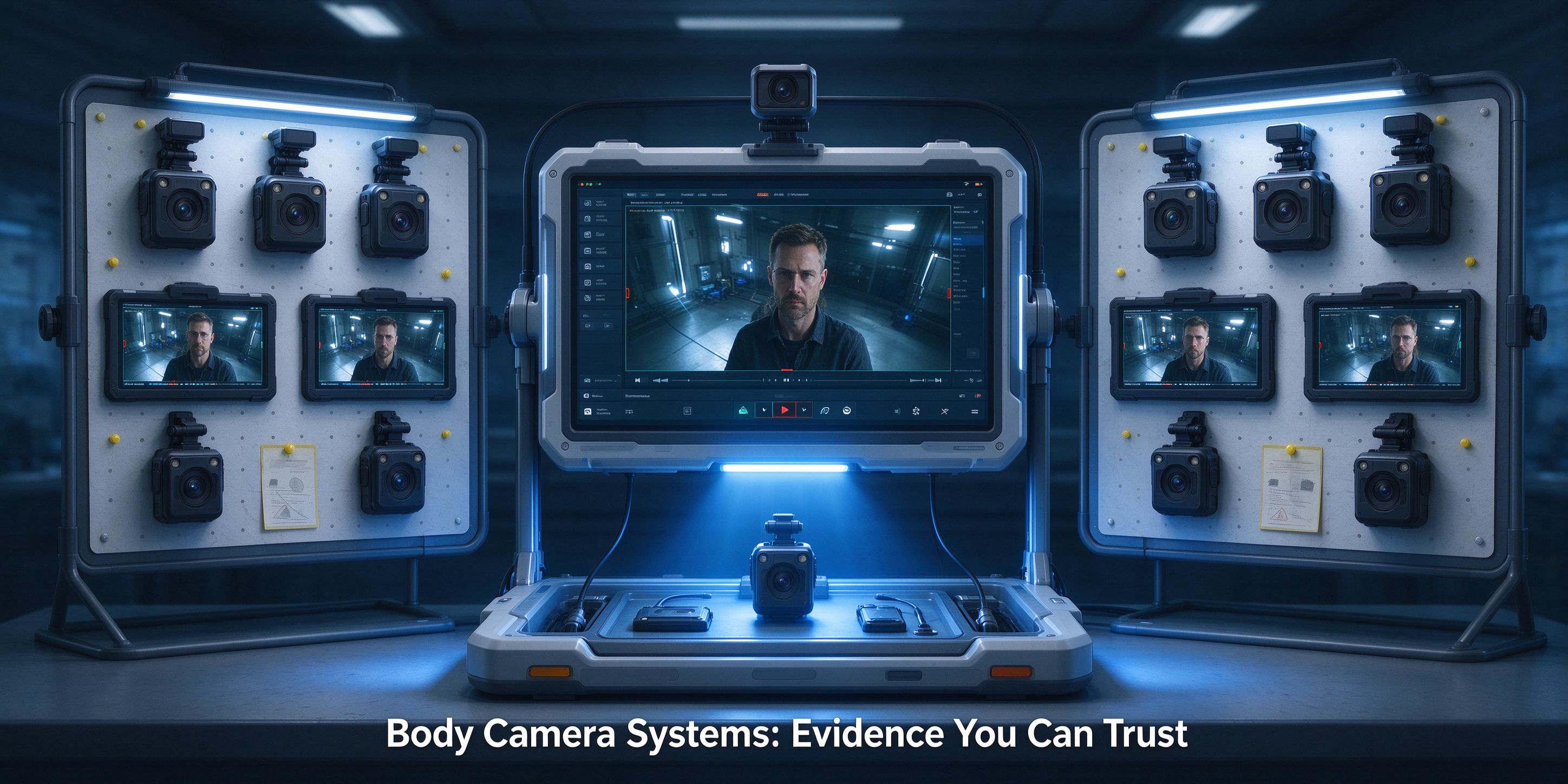
Body camera systems are now the backbone of accountable public safety, combining wearable recorders with secure evidence management software. Choosing among body camera systems means looking past the camera itself to the workflow that turns hours of footage into organized, defensible records.
What to Look for in Body Camera Systems
A reliable system offers high-resolution video, long battery life, infrared or low-light capture, and a rugged design that survives a full shift. Audio clarity, pre-record buffers, and auto-activation triggered by events such as sirens or drawing weapons capture critical moments that manual start would miss.
Storage, Retrieval, and Redaction
Evidence management software tags footage by officer, shift, case, and incident, making retrieval fast. Automatic redaction of faces and license plates protects privacy before release to prosecutors or the public. Role-based access controls ensure only authorized personnel can view sensitive recordings.
Scaling Across an Agency
Body camera systems grow with headcount through networked docking stations and cloud or on-premise storage. IT can enforce retention schedules, export court-ready files, and audit every access. A well-planned system avoids vendor lock-in and supports open export formats.
Conclusion
Body camera systems deliver trust through evidence that is complete, secure, and retrievable. Agencies that choose a system with strong software, reliable wearables, and scalable storage build a foundation for fair, accountable policing.


