


Buying Guide for Explosion‑Proof Mobile Phones Secure Communication Terminals for Flammable‑Explosive Environments
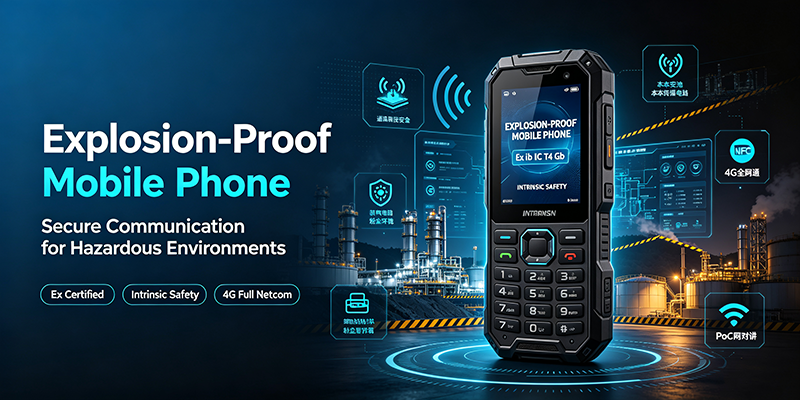
Within flammableexplosive surroundings such as petroleum, chemical engineering, mining and gasindustry sites, ordinary mobile phones may trigger safety accidents via electric sparks. With specialized explosionproof design and official certifications, explosionproof mobile phones operate safely in hazardous zones and serve as essential communication gear for staff in specialrisk industries. This article introduces purchasing essentials and application value of explosionproof mobile phones.
1. ExplosionProof Certification: Fundamental Precondition for Safe Usage
Explosionproof mobile phones must obtain valid formal explosionproof certifications before deployment in hazardous locations. Typical explosionproof marking such as Ex ib IIC T4 Gb indicates explosionproof mode, gas category, temperature group and equipmentprotection level. Different working environments impose distinct explosionproofgrade requirements. Select products whose ratings match local explosive gas or dust categories, and always verify authentic and valid explosionproof certificates. Chemical and petroleum sites generally require IICgrade certification; undergroundmine applications demand minespecific explosionproof approval.
2. IntrinsicSafety Design: Eliminate Hazards at the Source
Explosionproof mobile phones adopt intrinsicsafety circuit design. Voltage and current within circuits are restricted, ensuring electric sparks and thermal effects generated under normal or any fault conditions cannot ignite surrounding explosive mixtures. Explosionproofqualified batteries are equipped with protective circuits against shortcircuit and overcharging. Antistatic housings prevent staticelectricity accumulation and discharge. Buttons and interfaces also receive explosionproof treatment to avoid sparking during plugin, plugout and manual operation. These designs remove potential ignition sources fundamentally and enable safe operation of explosionproof mobile phones inside hazardous zones.
3. Functional Configuration: No Compromises for SpecialPurpose Scenarios
Though built around explosionproof performance, functional specifications of explosionproof mobile phones also deserve attention. For communication, select 4G fullnetcom capable models to guarantee normal calling and internet access across differentoperator networks. For screens, highbrightness panels are recommended for outdoor deployment to maintain legibility under direct sunlight; units supporting glovedhand and wethand operation are preferred. For batterylife, largecapacity batteries plus fastcharging are advised for multihour continuous chemicalplant inspection and mining operations. For ingressprotection, IP67 or higher dustandwaterproof rating adapts to harsh factorysite surroundings. Some models integrate PoC pushtotalk over cellular, GPS positioning, NFC and QRcode scanning to satisfy industrialapplication requirements.
4. Application Scenarios: Industries Requiring ExplosionProof Mobile Phones
Explosionproof mobile phones are widely adopted across multiple highrisk industries. At petroleum refineries, they support inspection communication and data collection inside productionunit zones. At naturalgas stations and longdistance pipelines, they serve stationoperation and pipelinepatrol communication. In underground and noncoal mines, they deliver dispatching communication for excavation and transportation tasks. Within pharmaceutical and chemical plants, they enable operational liaison inside flammableexplosive workshops. For grainandoil processing and storage facilities, they provide secure communication for dustfilled premises. Wherever explosive gas or dust exists, field personnel shall be equipped with explosionproof mobile phones to guarantee communication safety.
Summary
Safety always ranks first within flammableexplosive environments. Supported by professional certifications and intrinsicsafety architecture, explosionproof mobile phones deliver trustworthy communication tools for personnel working in hazardous zones. During procurement, confirm explosionproof grades match working conditions, meanwhile evaluate communication capability, screen performance, batterylife, ingressprotection and functional configurations. A qualified explosionproof mobile phone acts both as an efficient communication gadget and an important guarantee for worksite safety production.


