


What Is POC Explosion-Proof Public Network Walkie-Talkie Which Flammable and Explosive Places Is It Suitable For
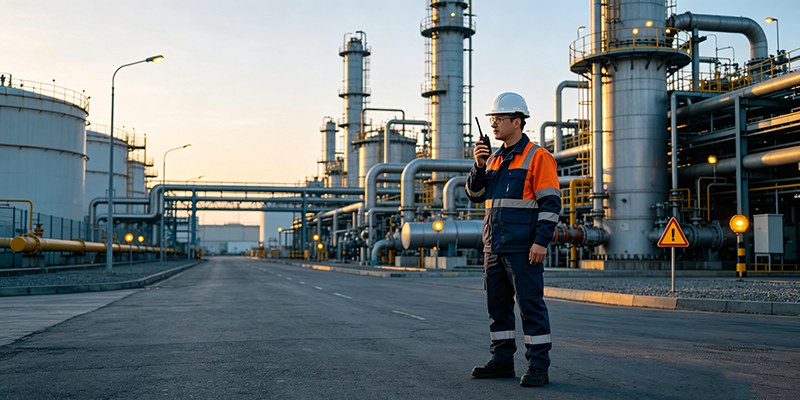
In high-risk industries such as petroleum, chemical engineering and mining, traditional private network walkie-talkies are limited by communication distance, while ordinary public network communication devices lack explosion-proof certifications and cannot be used in hazardous operation areas. The POC explosion-proof public network walkie-talkie solves both problems perfectly. It integrates POC cellular trunking intercom technology with intrinsically safe explosion-proof structure. Supported by 4G/5G operator networks, it realizes unlimited long-distance intercom nationwide. Meanwhile, it passes national explosion-proof standards, suppressing electric sparks comprehensively through circuit, shell and battery design, serving as compliant communication terminals for all flammable and explosive workplaces. Many enterprise purchasers cannot distinguish POC explosion-proof devices from common walkie-talkies. This article explains its definition, core functions and applicable hazardous scenarios to help enterprises select equipment properly.
1. Definition and Core Working Principles of POC Explosion-Proof Public Network Walkie-Talkie
POC stands for Push-to-Talk over Cellular. A POC explosion-proof public network walkie-talkie is a card-type trunking intercom terminal with intrinsically safe explosion-proof certification.
Public Network Intercom MechanismEquipped with full-network communication modules, the device connects to operator networks via SIM cards without self-built relay stations or private network wiring. It supports individual calls, group calls, emergency alarms, personnel positioning and track playback. Teams across factories, cities or provinces can communicate instantly, eliminating signal blind spots in large industrial parks and long-distance pipeline inspections.
Core Explosion-Proof Safety DesignThe whole machine adopts intrinsically safe ib circuits to limit internal current and voltage and avoid ignitable sparks under malfunction. Flame-retardant shells and sealed explosion-proof batteries are applied. Mainstream models obtain Ex ib IIC T4 gas explosion-proof and dust explosion-proof dual certifications, with the maximum surface temperature lower than 135°C. It meets usage standards for Zone 1/2 gas hazardous locations and Zone 20-22 dust hazardous locations.
Industrial Protection PerformanceStandard IP67/IP68 dustproof and waterproof, drop-resistant and wide-temperature design adapts to harsh working conditions with oil stains, dust and extreme temperatures, balancing explosion safety and industrial durability.
2. Applicable Flammable and Explosive Work Scenarios
2.1 Oil & Energy Hazardous Zones (IIC/IIB Gas Environment)
Refineries, chemical hydrogenation workshops, hydrogen storage stations and acetylene production areas contain highly explosive gases like hydrogen and acetylene, which require IIC-grade POC explosion-proof public network walkie-talkies for core Zone 1 equipment areas.Gas stations, LNG storage tanks and long-distance oil & gas pipelines are filled with volatile gasoline and natural gas vapor. IIB/IIC certified POC terminals fit oil unloading, warehouse patrol and outdoor pipeline inspection.Oil depots and hazardous chemical warehouses store various flammable liquids. Explosion-proof public network walkie-talkies realize unified scheduling for whole-area patrol and security management.
2.2 Chemical & Fine Manufacturing Industry
Coal chemical plants, pharmaceutical factories, coating workshops and lithium battery production workshops release combustible media including ethanol, acetone and ethylene oxide. Some workshops contain both gas and dust pollutants. Dual-certified POC explosion-proof public network walkie-talkies satisfy dual explosion-proof demands for gas and dust environments.
2.3 Combustible Dust Production Sites
Flour mills, feed processing plants, metal polishing workshops, ceramic kilns and wood powder factories face dust explosion risks when suspended dust reaches critical concentration. Dust-certified POC explosion-proof walkie-talkies are used for workshop scheduling and routine patrols.
2.4 Underground Mines & Ground Energy Plants
Underground coal mines with MA coal safety certification contain gas and coal dust. Non-metal mines and sand yards have high dust concentration on the ground. Public network coverage enables long-distance intercom for underground tunneling and ground yard management, avoiding signal disconnection of traditional walkie-talkies in tunnels.
2.5 Emergency & Special High-Risk Operations
Hazardous chemical transport fleets, chemical leakage rescue teams and hazardous waste disposal plants feature scattered operation points and wide moving ranges. POC explosion-proof public network walkie-talkies support unlimited-distance communication, and emergency call functions help report dangers rapidly to guarantee communication safety for rescuers.
3. Equipment Selection Tips
For high-risk environments with hydrogen and acetylene, choose Ex ib IIC T4 POC explosion-proof public network walkie-talkies; IIB-grade devices cannot be used alternatively.
For composite workshops with both gas and dust hazards, prioritize terminals with dual gas and dust explosion-proof certifications.
Underground mining equipment must have additional MA coal safety marks; ordinary factory explosion-proof walkie-talkies are forbidden for underground use.
To sum up, the POC explosion-proof public network walkie-talkie is a special communication device combining long-distance public network trunking and intrinsically safe explosion-proof performance. It breaks the distance limitation of traditional intercom equipment and complies with safety standards for flammable and explosive sites, covering oil, chemical, dust processing, mining, hazardous goods transportation and emergency rescue industries. Enterprises shall select matching explosion-proof models according to local gas and dust hazard levels. It ensures real-time team scheduling and eliminates explosion risks caused by communication equipment, becoming an essential supporting device for safe production in high-risk industries.


