


Chemical Explosion-Proof Mobile Phone Selection Guide Comply with Plant Explosion-Proof Standards
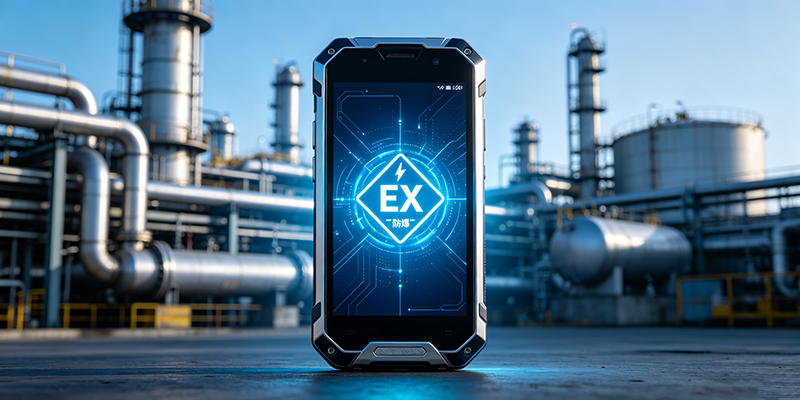
Chemical plants are filled with flammable and explosive gases and dust. Ordinary mobile phones may generate electric sparks or static electricity, which easily trigger safety accidents. Chemical explosion-proof mobile phones are essential communication terminals for high-risk working areas. The key to selection is to comply with plant explosion-proof standards, while balancing safety compliance and practical performance. This article elaborates on key selection points from certification, explosion-proof grade, performance and scene adaptability, helping enterprises pick suitable devices that meet on-site requirements.
1. Verify Official Explosion-Proof Certifications
Formal certification is the basic requirement for chemical explosion-proof mobile phones to meet plant standards. Always choose products with valid explosion-proof certificates issued by authoritative institutions. The certificate number should match the code on the device body for authenticity verification.
Qualified products shall comply with national GB3836 standards and international IEC60079 standards, marked with the Ex symbol for explosion-proof performance. Stay away from fake explosion-proof products modified from ordinary mobile phones. They only have flame-retardant shells without optimized internal circuits and batteries, and will fail safety inspections. Checking complete qualifications is the first step to ensure compliance.
2. Select Appropriate Explosion-Proof Grades for Hazardous Zones
Chemical plants are divided into Zone 0, Zone 1 and Zone 2 according to risk levels, and mobile phones must match corresponding grades.
Intrinsically safe type (Ex ib) is the mainstream for mobile phones. It limits circuit voltage and current, so the released energy cannot ignite flammable gas under normal or faulty conditions, ideal for Zone 1 and Zone 2. For chemical gas environments, devices with IIC grade are recommended, which adapt to high-risk gases like hydrogen and acetylene. For dust areas, extra IIIC dust-proof certification is required.
In terms of temperature class, T4 (≤135℃) and higher grades are preferred, as the surface temperature will never reach the ignition point of combustible substances. The grade Ex ib IIC T4 Gb is widely applicable for most chemical plants.
3. Focus on Practical Performance for Harsh Working Conditions
Apart from explosion-proof compliance, the devices need to adapt to harsh plant environments.
A standard IP68 protection rating is a must, providing full protection against dust, water and oil contamination. Custom intrinsically safe batteries are equipped with multiple temperature control and overcharge protection modules to avoid overheating and sparks. Long battery life is also important for all-day inspection work.
In addition, practical functions such as two-way radio, high-precision positioning and data collection can greatly improve working efficiency for daily patrol and scheduling tasks.
4. Check Structural Details and After-Sales Service
Reasonable structural design guarantees long-term safe use. All ports are insulated and flame-retardant to prevent static discharge, and the shell is made of corrosion-resistant materials to suit chemical workshops.
Reliable after-sales support is also essential. Choose reputable manufacturers with guaranteed warranty and timely technical service, to minimize the impact of equipment failure on production.
To sum up, when choosing chemical explosion-proof mobile phones, enterprises shall take certification as the foundation, explosion-proof grade as the core and scene adaptability as the priority, and strictly follow plant explosion-proof standards. Qualified explosion-proof mobile phones can effectively eliminate potential safety hazards, ensure stable communication and efficient operation, and support standardized and safe production in chemical enterprises.


